
The Student Association (HM) of the (Prodi) History, Faculty of Cultural Sciences (FIB), Diponegoro University (UNDIP) held an event entitled “Introduction to the Student Creativity Program (PKM) and Exploration/Discovery of PKM Ideas” which took place in Building B, Room B.1.1 on Sunday (09/03/2025). The event was attended by dozens of History Study Program students from various batches. This activity aimed to introduce and hone proposal writing skills in PKM while fostering creativity, innovation, and skills in the field of research and scientific writing. The Head of the History Undergraduate Program, Prof. Dr. Dhanang Respati Puguh, M.Hum, welcomed the activity initiated by the students. “This PKM introduction or socialization activity is expected to be a means of self-development and actualization of student potential,” said Prof. Dhanang in his speech while opening the event, which also encouraged history students to not hesitate to innovate and contribute through PKM. The speech was then continued by Olga S. Pratama, M. Hum as the Advisor of HM History and Daffa Alif Rizki, Chair of HM History, who was represented at the event. The next session was a presentation on PKM by Desi Susanti, M.Hum, a lecturer at the History Undergraduate Program who is also the PIC (Person in Charge) of PKM for the History Study Program. The speaker explained the general overview of PKM, the PKM schemes that students can choose from, the structure of PKM proposals, as well as tips and tricks for making PKM proposals that prioritize creativity, innovation, sustainability, and usefulness. “Students have been given ample space to develop their potential through PKM activities, which should be utilized to the fullest,” explained Desi Susanti, M.Hum.
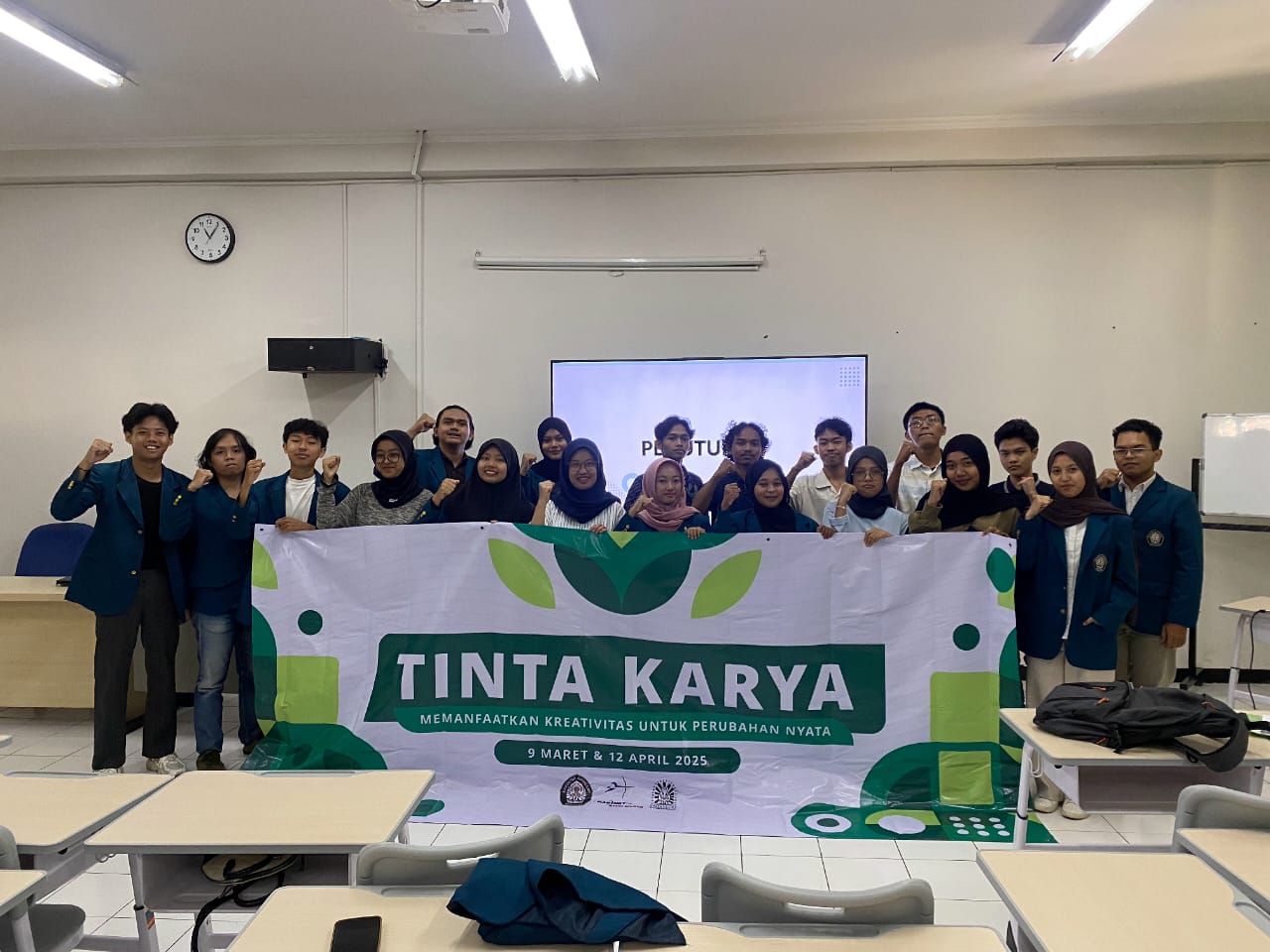
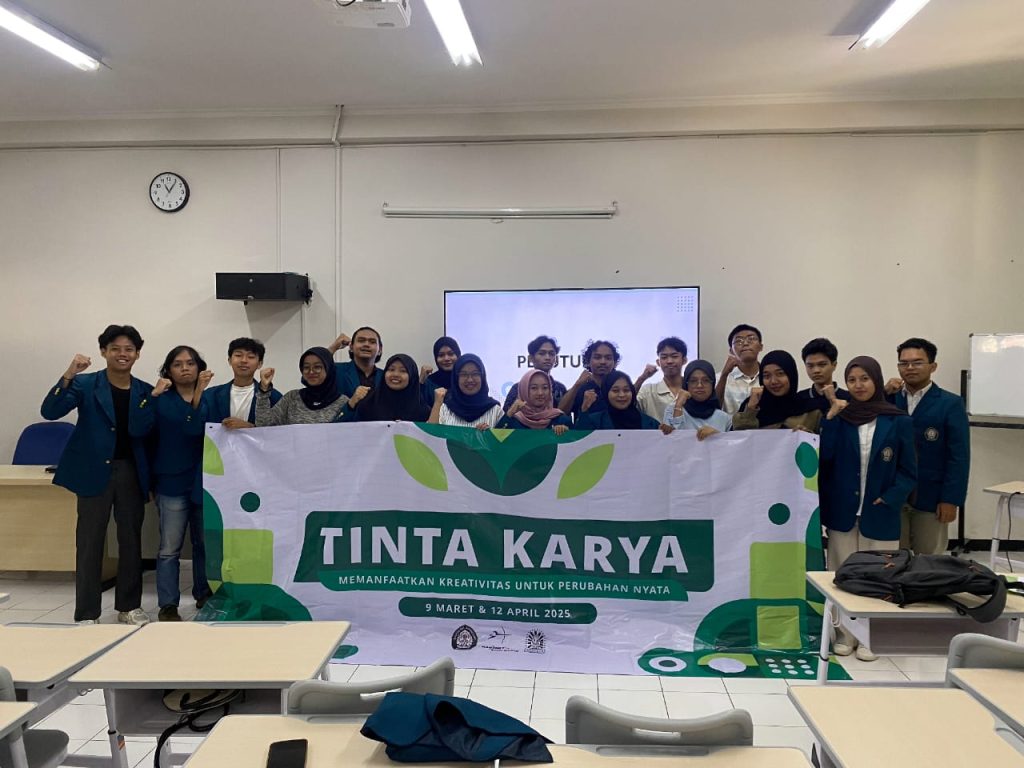
The event closed with a question and answer session and a group photo. Participants said they felt motivated and ready to take part in the PKM. All parties hoped that through the PKM, they could make a real contribution to the development of science, society, and the institutions they belong to.
